
Why an 11-Month Warranty Inspection in North Carolina Is Worth Scheduling
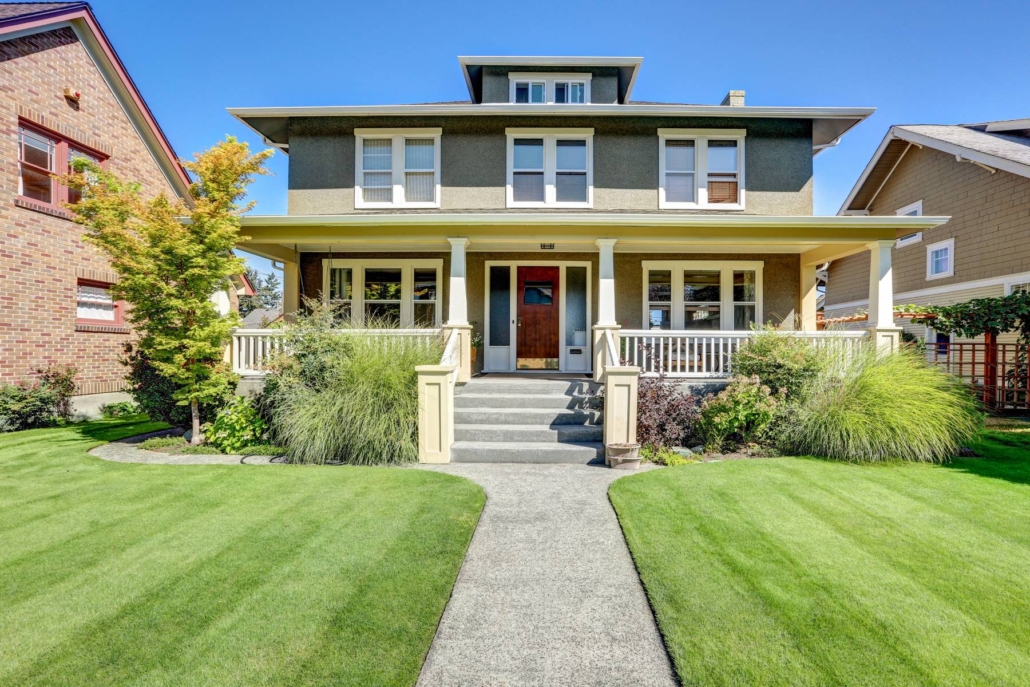
A new home feels finished on closing day, but a house keeps changing long after the keys change hands. Lumber dries and shrinks, concrete cures, soil settles, and mechanical systems get their first real workout through a full set of seasons. Problems that were invisible at move in start to show up, and many builders offer a one year warranty window to deal with them. An 11-month warranty inspection is a full home review timed to land just before that window closes, so what the inspector finds can still be brought to your builder.
North Carolina has a lot of new construction, from suburban neighborhoods to rural lots, and the pattern is the same everywhere. Most new home owners are busy settling in and do not look closely at the attic, the crawl space, or the grading until something goes wrong. A scheduled review makes sure someone does.
What an 11-Month Warranty Inspection Covers
The service works much like a buyer’s inspection, only the goal is different. Instead of helping you decide whether to buy, it helps you hold up your end of a warranty claim. Town & Country Home Inspection walks the entire home, looking at the roof, exterior, structure, attic, crawl space or foundation, plumbing, electrical, heating and cooling, and interior finishes, and records what needs attention in a detailed report with photos.
The report matters as much as the inspection. A client who recently had this service done described a report that was detailed, easy to understand, and clear about which items needed attention before the builder warranty expired. That is the format that works best when you are handing a list to a builder.
Common Findings After a Year of Living in the Home
After twelve months, houses reveal things that no walkthrough could. Cracks in drywall and masonry, nail pops, doors and windows that no longer operate smoothly, loose or missing insulation, gaps in caulking and flashing, grading that sends water toward the foundation, and plumbing or electrical details that were not finished properly are all common. The review also looks for signs of moisture, since even a new home can have hidden leaks or poor drainage.
Some findings will be cosmetic, and some will point to bigger issues. Either way, it is better to know now and decide with the builder than to find out two years later.
Understanding Your Warranty and Legal Timelines
The terms of your warranty come from your purchase contract and your builder’s warranty documents, so the first step is to read them carefully. Look for the length of coverage, what is included and excluded, and how and when you must submit claims, since many builders require written notice.
State law also sets outer limits on construction related claims. North Carolina’s General Statute 1-50 provides that actions based on a defective or unsafe condition of an improvement to real property generally may not be brought more than six years after the later of the defendant’s last act or omission or substantial completion of the improvement. That is an outside limit, and your warranty deadlines are likely much shorter. This is general information, not legal advice, so speak with an attorney about your specific situation.
Timing Your 11-Month Warranty Inspection
Book the inspection around month ten or eleven. That leaves time to receive the report, send it to your builder in the format they require, and allow them to schedule repairs before the warranty period ends. Waiting until the last week can leave you with a list and no time to use it.
Town & Country Home Inspection also includes InterNACHI’s Buy-Back Guarantee on its inspections, which gives clients extra confidence in the thoroughness of the work.
Frequently Asked Questions About an 11-Month Warranty Inspection
When should I schedule it?
Around the tenth or eleventh month after closing, so you have time to submit findings and have repairs made before the warranty ends.
Is it the same as a buyer’s inspection?
The process is similar, but the purpose differs. A buyer’s inspection supports a purchase decision, while this one supports warranty claims.
What if my builder does not fix everything?
A written report with photos gives you documentation to refer to. Review your contract and warranty and consider speaking with an attorney about next steps.
Do I need one if my home was inspected before closing?
Yes. A pre-closing inspection happens before the house has settled and been lived in, and many problems only appear after a full year.
A year of living in a new home teaches you things no walkthrough can. Town & Country Home Inspection can inspect your home and give you a clear report to bring to your builder. Schedule your inspection and book your 11-month warranty inspection before your first year runs out.
Town & Country Home Inspection proudly serves Cumberland, Hoke, Harnett, Lee, and Moore Counties, North Carolina, and the surrounding areas.
Leave a Reply
Want to join the discussion?Feel free to contribute!